
The Allure of Freebies: Examining Politicians' Election Strategies

Introduction
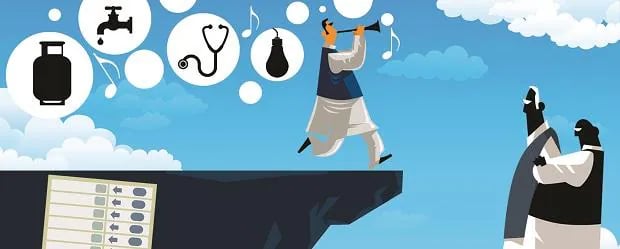
In the landscape of electoral politics, the use of freebies has become a common strategy employed by politicians to sway voters. These enticing offers play on the immediate desires of constituents, presenting an alluring facade that often overshadows the deeper implications of such promises. This article delves into the effectiveness of freebies, their ethical and economic consequences, and their overarching impact on governance and public trust.
The Appeal of Freebies to Voters
Freebies draw voters’ attention primarily due to their immediate benefits. Politicians leverage this appeal by offering everything from cash handouts to free services, which are designed to attract undecided voters. During campaign seasons, such tactics can sway public opinion in a matter of days, fostering a sense of loyalty towards the candidate providing these advantages.
*It is critical to understand that this promise of free resources can create an illusion of a political candidate's capability rather than a reflection of their governance track record.* Voters, often seeking immediate solutions to their burning issues, may overlook the longer-term ramifications of electing individuals based on superficial promises. Such strategies may temporarily garner support, but they also risk creating a dependency on these offerings, undermining the essence of informed voting.
Ethical and Economic Implications
While the use of freebies may seem benign, it raises substantial ethical questions. Politicians may exploit the vulnerabilities of constituents, manipulating economic hardship for electoral gain. This form of populism can lead to a cycle of dependency, where voters continually expect handouts rather than advocating for meaningful policy change.
From an economic perspective, the funding of these promises often relies on taxpayer money or public resources. The ramifications can be severe, leading to budget deficits and an overextension of public services. This dependency can ultimately erode public trust in government, as constituents begin to question the sustainability of promised initiatives. Economic mismanagement as a byproduct of these practices may lead to a deterioration of essential services that benefit the entire community.
Long-Term Consequences on Governance and Public Trust
The long-term effects of utilizing freebies as a tool for electoral success can be detrimental to governance. Over time, this strategy may cultivate a culture of disillusionment among voters as they witness a disconnect between promises made during campaigns and the realities of governmental capability post-election. Politicians who rely heavily on appealing to short-term desires may lack the commitment to implement long-lasting policies that address systemic issues.
Looking towards sustainable alternatives is crucial for fostering accountability and informed voting. Politicians must consider policies that engage voters in a meaningful dialogue about their needs, focusing on education and opportunity rather than temporary solutions. Encouraging civic education and investing in widespread communication strategies can empower voters to make decisions based on comprehensive understanding rather than immediate gratification.
Conclusion
In sum, while freebies might present a tempting avenue for politicians to win elections, the ethical and economic implications, as well as the long-term consequences on governance and public trust, necessitate a more thoughtful approach. By prioritizing accountability and informed voting, political leaders can cultivate a more engaged electorate, promoting policies that genuinely enrich the community rather than offering fleeting handouts.
Quick Contact
Office No.105, Himland
House, Commercial Complex, Karampura, Delhi-110015, India
Copyright ©2023 Lawvs.in | All Rights Reserved
Got a Legal Question?